0103
Quality over quantity
We turn work down every year. Not for comfort: because taking on more than we can hold would mean lying to somebody.
Our story
The business never changed valley, nor its way of working. It simply changed hands.
1970s
Two brothers, hand tools, and village sites. Back then, around Annot, you did not restore a building out of nostalgia: you repaired it because you lived in it, and because there was no other option.
That is where the way of working we still follow was set: take the stone that is there, work it, and put it back where it belongs.
This trade is not learned from a book. It is learned by carrying.
Then
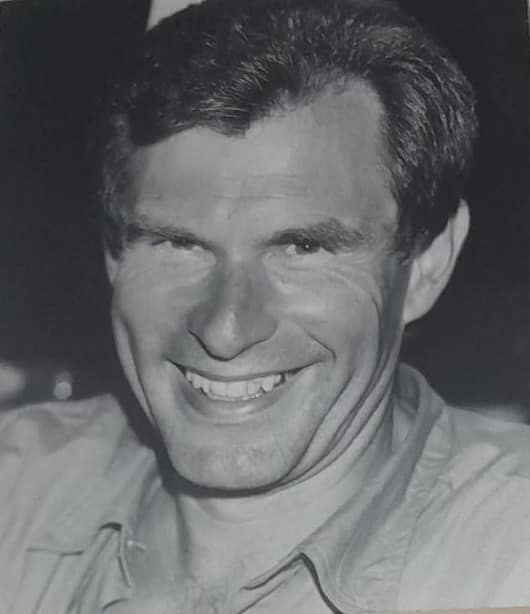
Jean-Denis takes the business over in his own name and keeps working the same villages. We grow up on his sites: first carrying, then mixing, then laying.
Nobody ever asked us whether we wanted this trade. We were shown, and we followed.
We learned with his hands before we learned with our own.
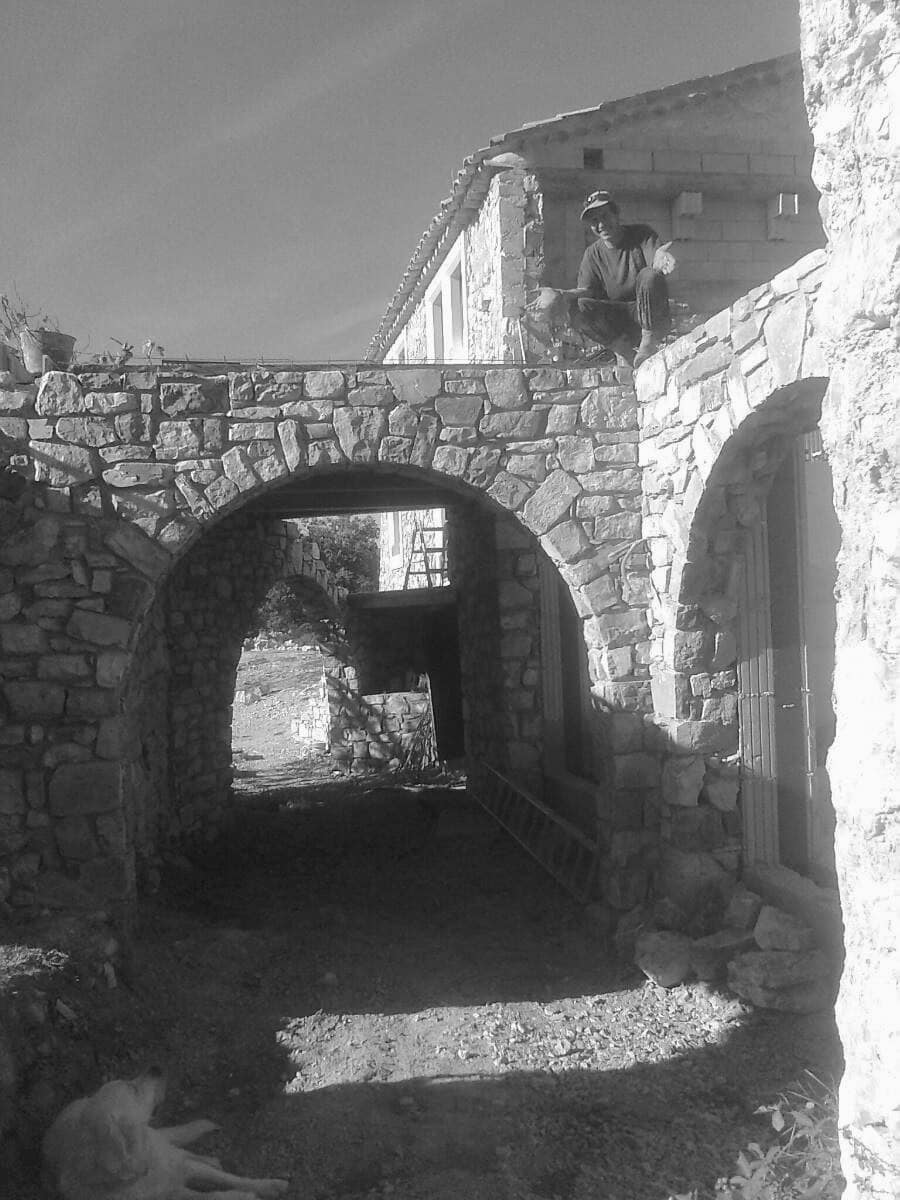
22 January 1996
Our father steps back. Two of us take over: Olivier and Franck. On 22 January 1996, the business becomes SARL MASSE.
We changed nothing about the way we work. We only decided, together, never to give in on the finish — even when it costs time, even when it costs a job.
We took over his business. We did not just take over the name.
Today
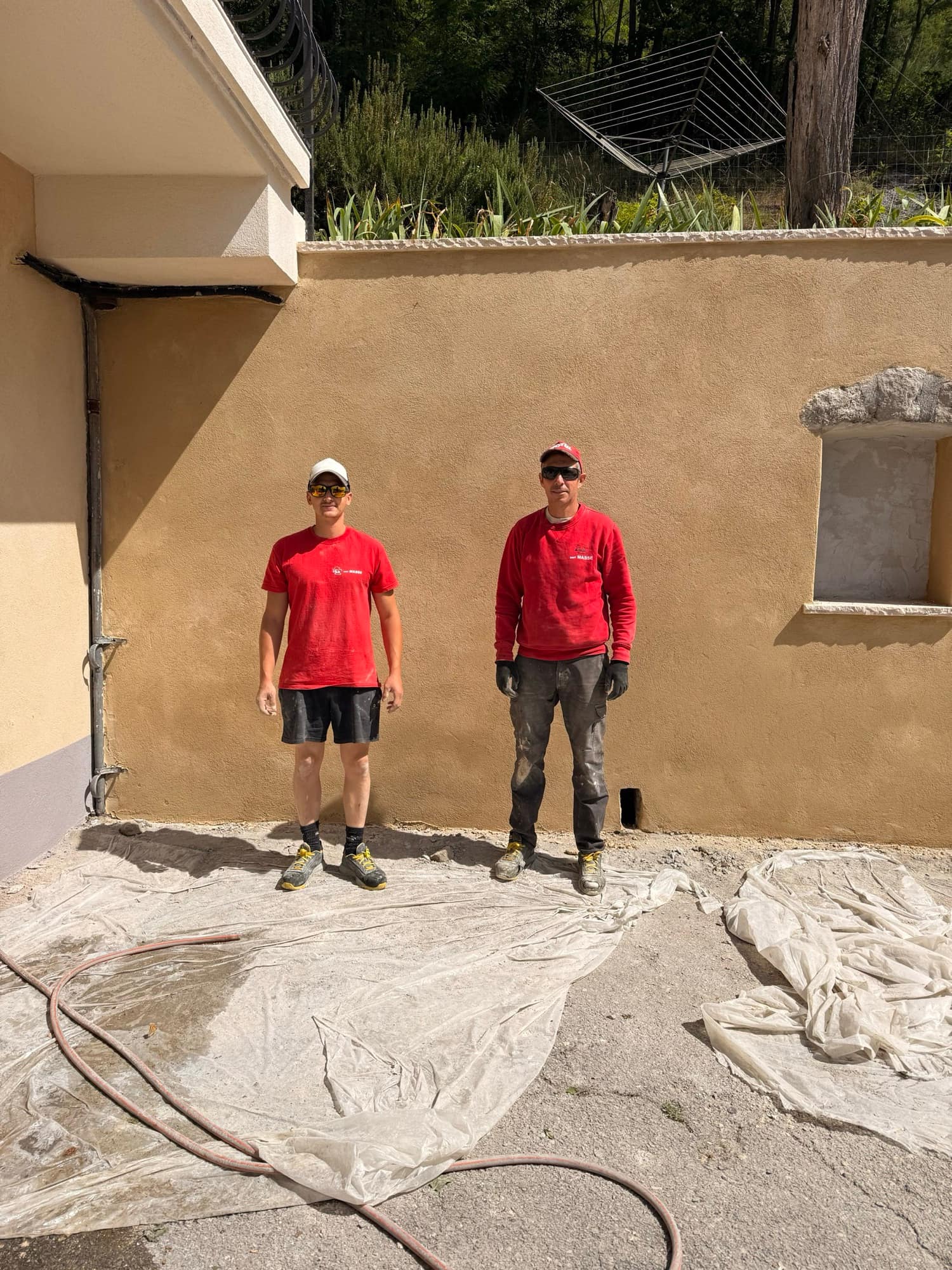
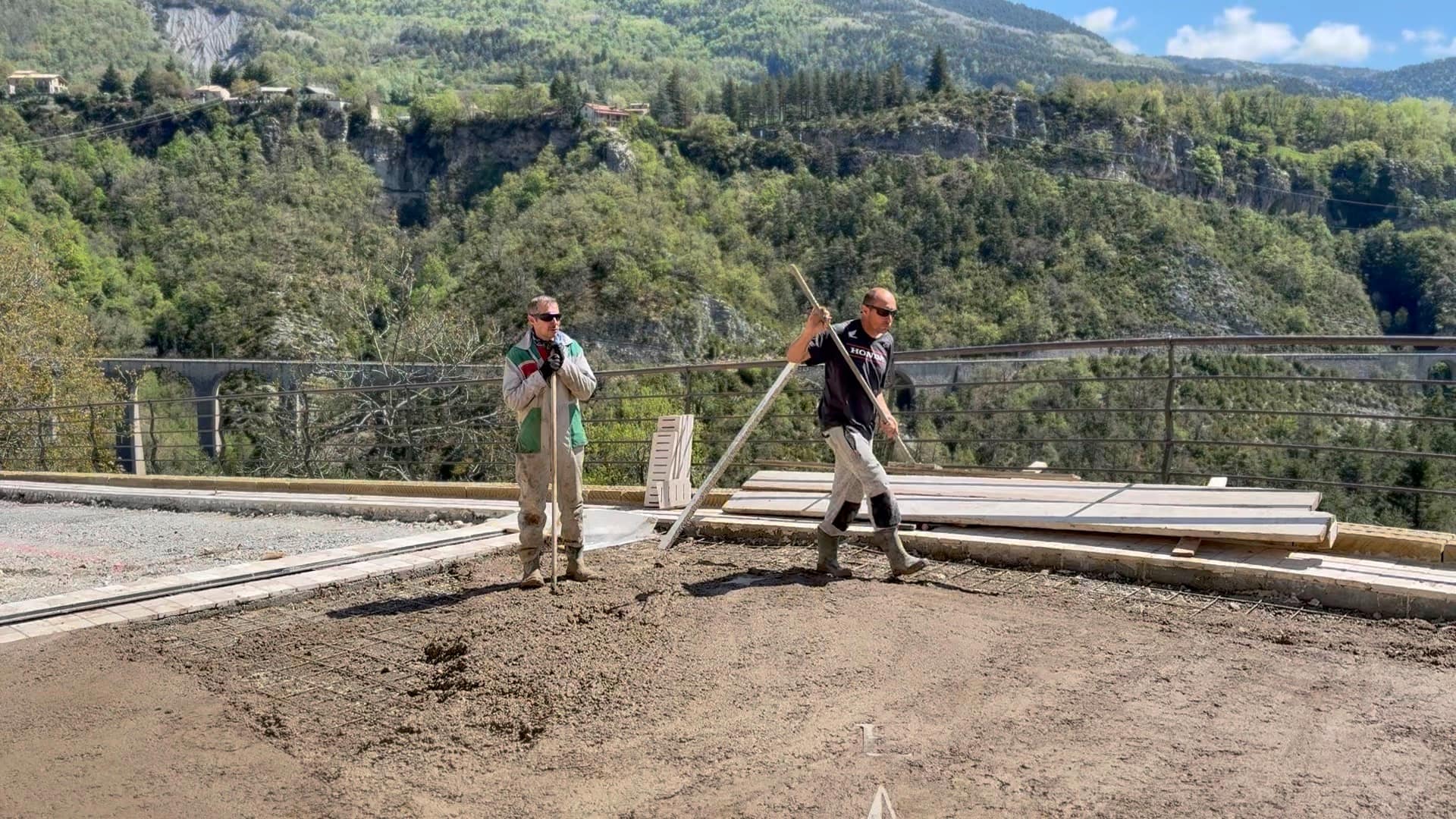
Word of mouth did the rest. Clients sometimes wait three years, and many call us back for a second project ten years later.
Karine Masse, Franck's wife, runs the office: quotes, invoices, appointments. She is the one you will speak to on the phone before you see us turn up on site, and the one we owe all the work that never shows.
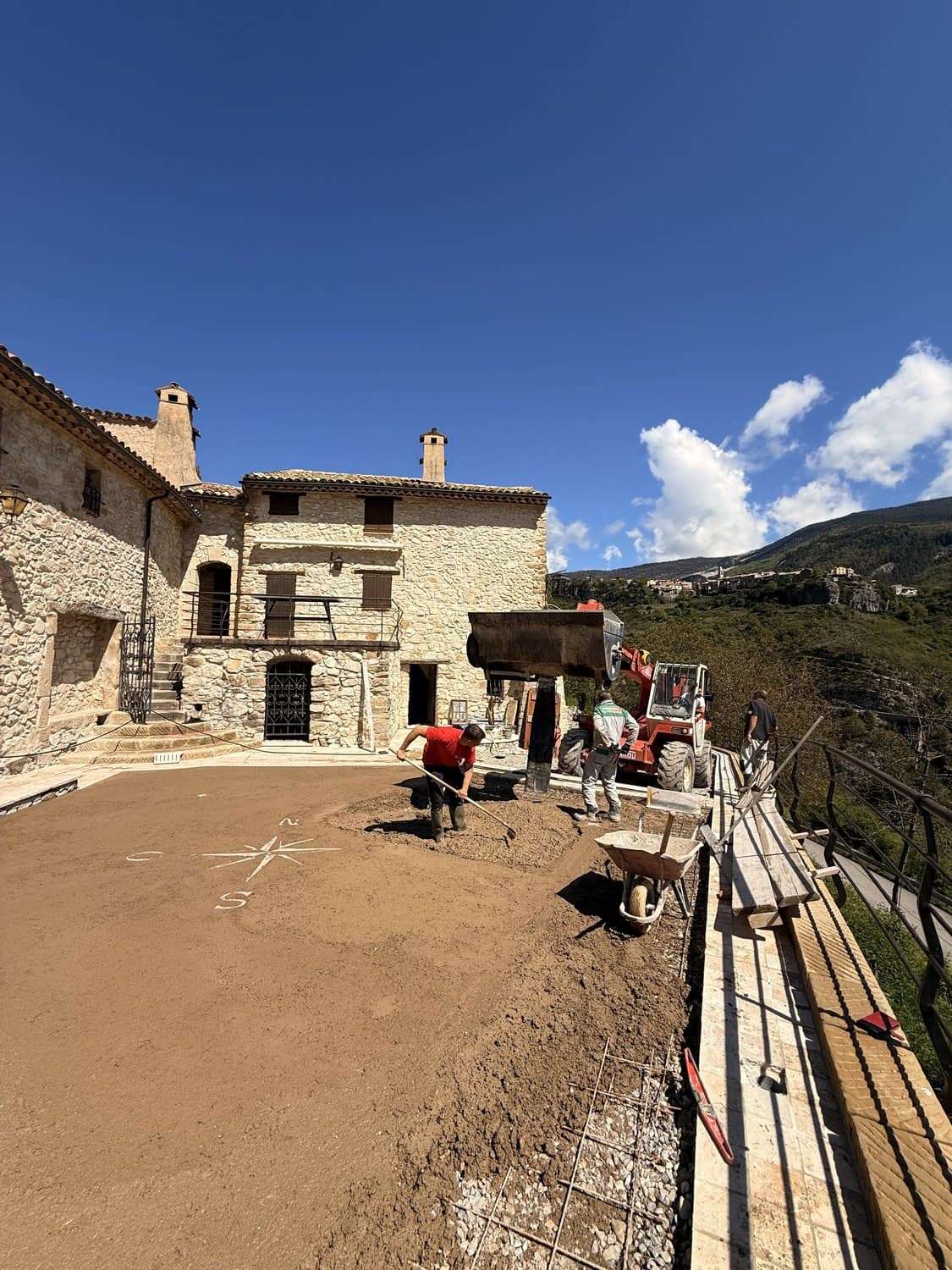
We could have grown. We did not, because a business that grows too fast ends up selling work it no longer watches. What you entrust to us is done by our own hands.
What makes the difference here is what our hands can create.
What comes next
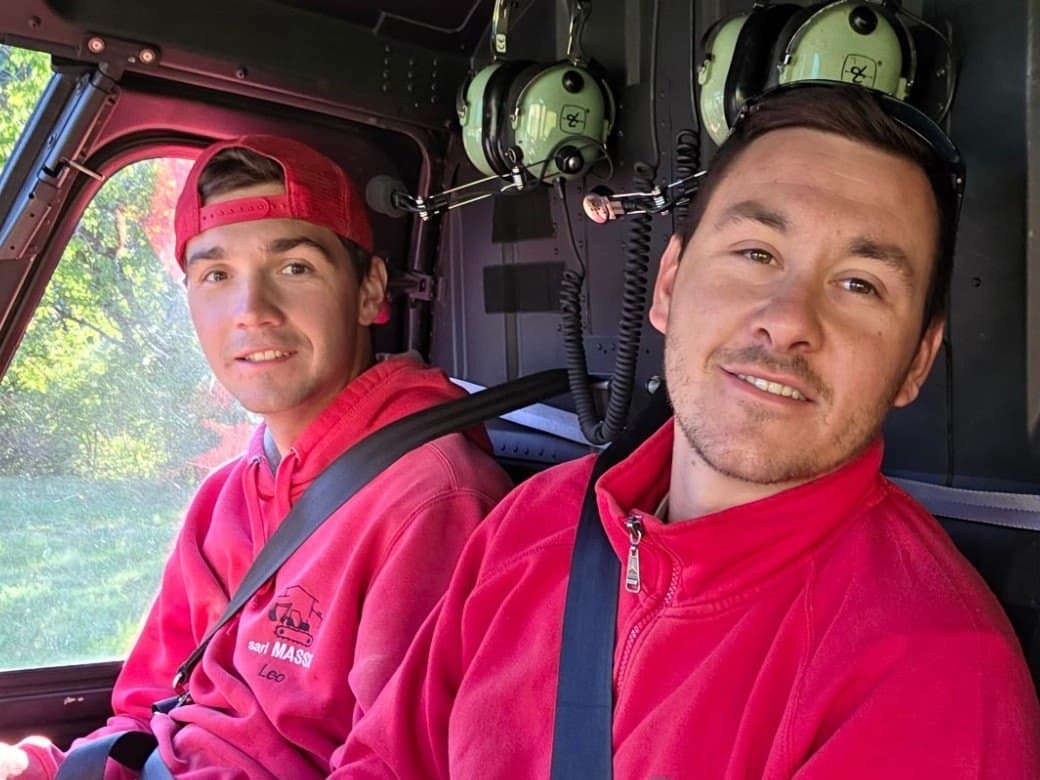
The company has never been anything other than a family affair, and it stays that way: Thibault and Léo work alongside us, on the same sites, learning the way we learned — carrying first, cutting stone later.
They are the ones who will take over. The valley will be the same, so will the buildings, and the standard is not up for negotiation from one generation to the next.
A family business is not sold. It is handed on.
What we will not trade away
We turn work down every year. Not for comfort: because taking on more than we can hold would mean lying to somebody.
We are on first-name terms quickly, we stop for coffee, and we call you the day something unexpected comes up — not at the end of the month. Our clients become people we know, and that suits us.
A restoration succeeds when nobody can tell any work was done. We work so that our passage goes unnoticed — except in how well it holds.
If you have a stone building that deserves better than patching up, we would like to hear about it.
Or call us directly 04 92 83 26 05